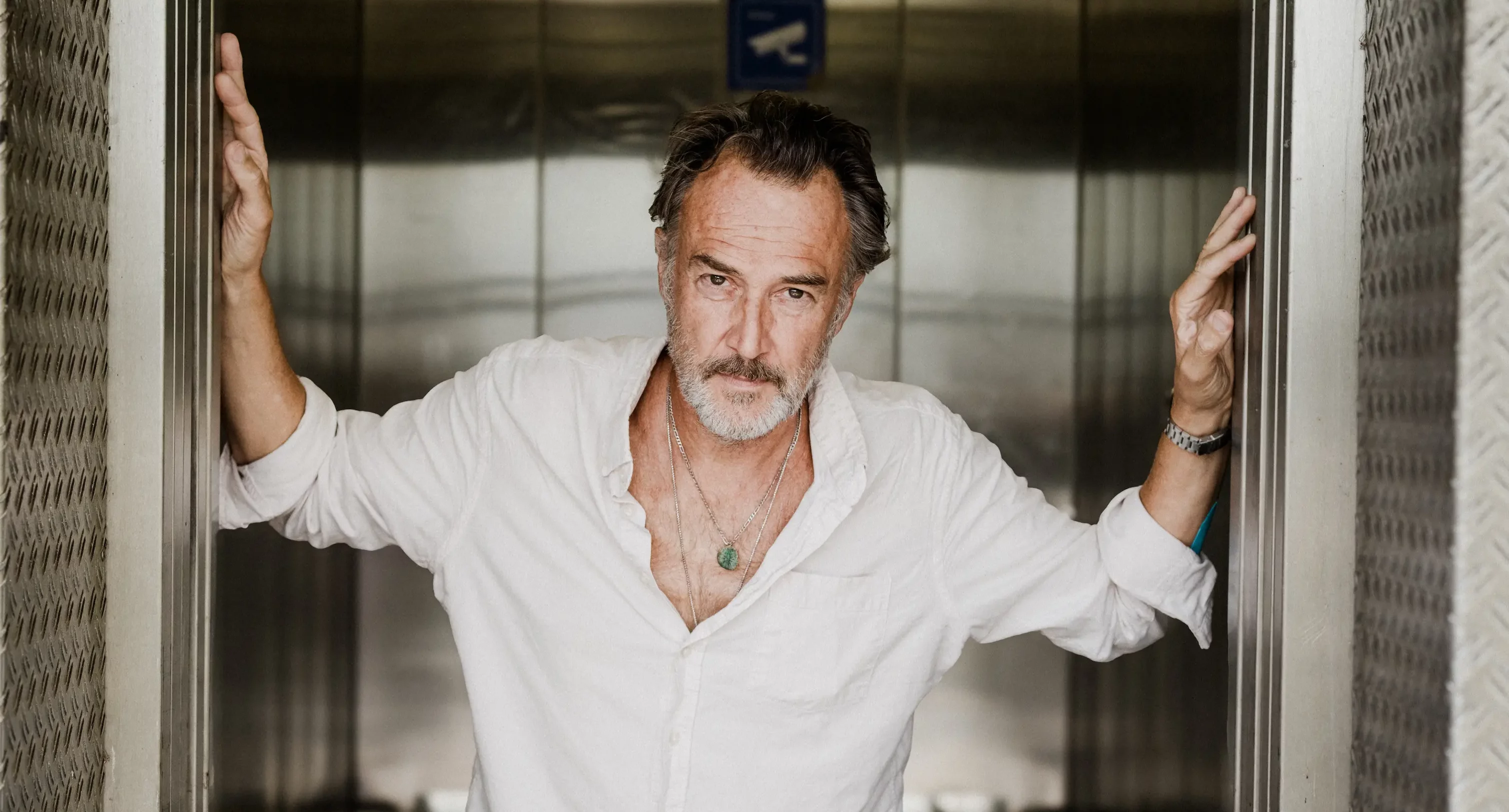
Nach 15 Jahren in Los Angeles hat Carlos Leal seinen Lebensmittelpunkt wieder in die Schweiz verlegt. Der Schauspieler, Fotograf und Musiker lebt heute in Zürich.
Ein Gespräch über den amerikanischen Traum, Authentizität und seinen Bezug zum Zurich Film Festival.
After 15 years in Los Angeles, Carlos Leal has moved his centre of gravity back to Switzerland. The actor, photographer and musician now lives in Zurich.
We talk about the American dream, authenticity and his enduring connection to the Zurich Film Festival.
Interview: Michael Dominique Merz
Bilder von Carlos Leal: Marianne Buri
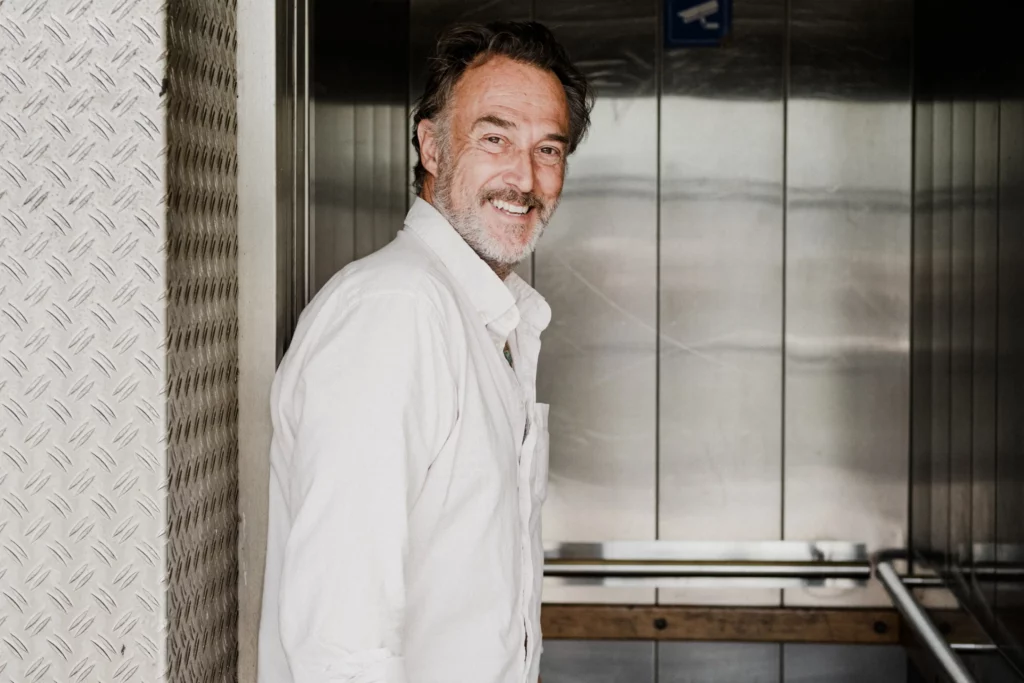
Carlos, Du hast rund 15 Jahre in Los Angeles gelebt. Warum eigentlich?
Meine Karriere lief in Europa gut, aber ich wollte international noch einen Schritt weiterkommen. Los Angeles war vor allem eine berufliche Entscheidung. Als sich die Möglichkeit einer Green Card ergab, dachte ich: Wenn ich es jetzt nicht versuche, werde ich es später bereuen.
Carlos, you spent around 15 years in Los Angeles. What took you there in the first place?
My career was going well in Europe, but I wanted to take it one step further internationally. Los Angeles was primarily a professional decision. When the possibility of getting a Green Card came up, I thought: if I don’t try it now, I’ll regret it later.
Und irgendwann war der Amerikanische Traum vorbei?
Zumindest meiner. Als ich in die USA kam, war Barack Obama gerade gewählt worden. Es gab eine enorme Aufbruchsstimmung. Beruflich kann ich mich nicht beklagen: ich habe viel erreicht. Aber ich habe mich in Los Angeles nie wirklich zu Hause gefühlt. Als meine Ex-Frau mit den Kindern nach Europa zurückzukehren wollte, bildete die Schweiz quasi ein grünes Licht für uns.
And at some point the American Dream was over?
Mine, at least. When I arrived in the US, Barack Obama had just been elected. There was this tremendous sense of optimism. Professionally, I can’t complain: I achieved a lot. But I never really felt at home in Los Angeles. When my ex-wife wanted to move back to Europe with the children, Switzerland became kind a green light for us.
Du bezeichnest Hollywood hin und wieder als «Popcorn Industry». Wie ist das zu verstehen?
Das ist natürlich ein Bild. Ich meine die kommerziellen Studioproduktionen. Ja, zugegeben: ich fühle mich dem europäischen Kino oft näher. Amerika war okay. Aber irgendwann im Leben muss man sich eingestehen, wo es für dich kulturell wichtiger ist. Als Künstler möchte ich so authentisch wie möglich arbeiten.
You occasionally describe Hollywood as the “popcorn industry”. What do you mean by that?
It’s an image, of course. I’m talking about commercial studio productions. And yes, I admit that I often feel closer to European cinema. America was fine. But at a certain point in life you have to acknowledge where you feel culturally more at home. As an artist, I want to work as authentically as possible.
Schmelztiegel wie Paris wären für einen Künstler naheliegender – warum also jetzt Zürich?
Ich habe bereits in Paris, Berlin und Madrid gelebt. Ich bin 57, nicht 30. Zürich liegt hervorragend. Man ist schnell überall in Europa, und ich kenne hier viele Menschen. Vielleicht fehlt manchmal ein wenig der Geruch der Strasse. Aber mein Beruf als Schauspieler bildet schon genug „Rat Race“. In der Schweiz muss ich nicht ständig erklären, wer ich bin. Ich kann hier zwischendurch herunterfahren.
A melting pot such as Paris might seem the more obvious choice for an artist. So why Zurich?
I’ve already lived in Paris, Berlin and Madrid. I’m 57, not 30. Zurich is exceptionally well positioned: you can be anywhere in Europe very quickly, and I know a lot of people here. Sometimes it could perhaps use a little more of the smell of the street. But acting already provides enough of a rat race. In Switzerland, I don’t constantly have to explain who I am. I can switch off here from time to time.
Du wohnst in Altstetten, nicht unbedingt im postkartenhaften Zürich.
Bewusst. Zuerst war ich beim Römerhof, am Fusse des Zürichbergs. Sehr hübsch, aber für mich fast etwas zu „trop cool“. Altstetten erinnert mich stellenweise an Belleville in Paris. Menschen aus vielen Ländern leben nebeneinander, und die Leute grüssen sich noch. Das mag ich.
You live in Altstetten, which isn’t exactly postcard Zurich.
Deliberately. At first I lived near Römerhof, at the foot of the Zürichberg. Very pretty, but almost a little trop cool for me. Parts of Altstetten remind me of Belleville in Paris. People from all over the world live side by side, and neighbours still greet one another. I like that.
Neben der Schauspielerei ist Fotografie wichtig geworden. Was bedeutet die Kamera für dich?
Reisen verändert den Blick. Wer verschiedene Länder und Kulturen erlebt, lernt die Welt aus mehreren Perspektiven zu sehen. Als ich in Los Angeles intensiver fotografierte, entdeckte ich ein anderes Hollywood, ein anderes Amerika.
Alongside acting, photography has become increasingly important to you. What does the camera give you?
Travelling changes the way you look at things. If you experience different countries and cultures, you learn to see the world from more than one perspective. When I started photographing more seriously in Los Angeles, I discovered another Hollywood – and another America.
Was haben Schauspiel und Fotografie gemeinsam?
Präsenz. Beim Schauspiel ist es fatal, wenn du innerlich schon beim nächsten Satz bist. Du musst auf das reagieren, was tatsächlich passiert. Ich würde sagen bei der „Street Photography“ ist es genauso. Du machst das Bild nicht wirklich, die Welt zeigt sich dir erst. Wenn du aber stets über deine Steuern, deine Ex oder morgen nachdenkst, siehst du die Welt der Fotografie nicht.
What do acting and photography have in common?
Presence. In acting, it’s fatal if your mind is already on your next line. You have to respond to what is actually happening. I’d say street photography works in much the same way. You don’t really make the picture; the world reveals it to you. But if you’re constantly thinking about your taxes, your ex or tomorrow, you won’t see the photographic world in front of you.
Also ist das beste Bild Zufall?
Nicht ganz. Du musst vorbereitet sein, darfst aber nicht verkrampft suchen. Ich bin schon ganze Tage mit dem Gedanken herumgelaufen: Heute muss ich das perfekte Bild finden. Natürlich fand ich keines. Und dann erwartest du nichts und plötzlich ist es vor dir; und klick.
So is the best photograph a matter of chance?
Not quite. You have to be prepared, but you can’t go looking for it too desperately. I’ve spent entire days walking around thinking: today I have to find the perfect picture. Of course I found nothing. Then, when you expect absolutely nothing, suddenly it’s there in front of you – click.
Was inspiriert dich derzeit?
Fotografie, ästhetisch wie gesellschaftlich. Musik weiterhin. Und Bücher. Als Schauspieler verbringst du viel Zeit mit Texten, die du dir nicht ausgesucht hast: Auditions, Self-Tapes, stundenlange Vorbereitung – oft ohne den Job zu bekommen. Und nicht jedes Drehbuch ist so gut wie von Paul Thomas Anderson, dem US-Regisseur.
What is inspiring you at the moment?
Photography, both aesthetically and socially. Music, still. And books. As an actor you spend a lot of time with texts you haven’t chosen yourself: auditions, self-tapes, hours of preparation – often without getting the job. And not every screenplay is written as well as one by the American director Paul Thomas Anderson.
Und in der Freizeit?
Wenn ich frei habe, kehre ich gerne zu Literaturklassikern zurück.
And when you’re off duty?
When I have time, I like going back to the classics.
Das Zurich Film Festival scheint für dich inzwischen fast ein Fixpunkt zu sein.
Ich gehe hin, so oft ich kann. Jetzt, wo ich wieder in Zürich lebe, freue ich mich darauf, Ende September möglichst viele Filme zu sehen. Festivals sind natürlich Branchentreffen, aber für mich geht es tatsächlich zuerst um Nischenfilme.
The Zurich Film Festival seems to have become something of a fixture for you.
I go whenever I can. Now that I’m living in Zurich again, I’m looking forward to seeing as many films as possible at the end of September. Festivals are industry gatherings, of course, but for me they really are first and foremost about discovering films outside the mainstream.
2024 waren Sie mit Lisa Brühlmanns «When We Were Sisters» im Wettbewerb des ZFF. Für das diesjährige Festival hast du wieder Projekte erwähnt.
Ja, aber da muss man vorsichtig sein. Zwei Arbeiten mit mir wurden dem Festival eingereicht. Solange die Auswahl nicht offiziell als Premiere bestätigt ist, möchte ich daraus keine Geschichte machen. Eines ist «Où est Ava?» von Romed Wyder, in dem ich die Hauptrolle spiele.
Eine dystopische Geschichte über eine Familie, die vor einem Virus in die Berge flieht. Der Film spielt mit Geschlechterrollen und Erfahrungen, die wir seit Covid kennen. Das andere Projekt ist gar ein Dokumentarfilm über mich. Ein Freund hat mich dafür rund zwei Jahre begleitet – und zeigt nicht nur die angenehmen Seiten meines Lebens.
In 2024 you competed at the ZFF with Lisa Brühlmann’s When We Were Sisters. You have also mentioned projects submitted for this year’s festival.
Yes, but you have to be careful there. Two projects I’m involved in have been submitted to the festival. Until the selection is officially confirmed as a premiere, I don’t want to make a story out of it. One of them is Où est Ava? by Romed Wyder, in which I play the lead role. It’s a dystopian story.
A story about a family fleeing into the mountains because of a virus. The film plays with gender roles and experiences that will feel familiar to us since Covid. The other project is actually a documentary about me. A friend followed me for around two years – and it doesn’t only show the pleasant sides of my life.
Du hast den Dokumentarfilm selbst noch nicht an einem Festival gesehen?
Nein. Ich habe ihn überhaupt noch nicht gesehen. Einer meiner besten Freunde hat sich ihn angeguckt. Mein Freund meinte jedoch: «Wir sehen auch gern deine Schattenseiten.» Das genügte mir.
You haven’t seen the documentary at a festival yet?
No. I haven’t seen it at all. One of my best friends has watched it, though. He told me: “We also get to see your darker sides.” That was enough for me.
Parallel dazu steht Sens Unik wieder auf der Bühne. War die Reunion geplant?
Überhaupt nicht. Wir glaubten zunächst nicht, dass sich noch jemand dafür interessieren würde. Ein Freund der Band wünschte sich zum Geburtstag eine Reunion. Eine Woche später sagte er: Die Festivals wollen euch. Wir planten einen Sommer. Danach kam eine Wintertour mit 13 Konzerten, fast alle sold out. Dann dachten wir: Jetzt ist Schluss. Und noch immer spielen wir.
At the same time, Sens Unik is back on stage. Was the reunion planned?
Not at all. At first we didn’t think anyone would still be interested. A friend of the band wanted a reunion for his birthday. A week later he said: the festivals want you. So we planned one summer. Then came a winter tour with 13 concerts, almost all of them sold out. After that we thought: that’s it. And we’re still playing.
Was macht diese Konzerte heute anders für euch?
Das Publikum. Menschen aus unserer Generation kommen mit ihren Kindern, die teilweise selbst schon 20 oder 25 sind. Früher waren wir einfach eine Band, die ihren eigenen Weg ging. Heute bringen wir viele für 90 Minuten zurück in eine Zeit, in der sie selbst jung waren. Wir versuchen dabei gar nicht, etwas zu inszenieren oder einem früheren Bild von uns nachzueifern. Wir möchten einfach so authentisch wie möglich sein.
What makes the concerts different for you today?
The audience. People from our generation come with their children, some of whom are already 20 or 25 themselves. Back then, we were simply a band following our own path. Today, for 90 minutes, we take many people back to a time when they were young themselves. We are not trying to recreate anything or live up to some former image of ourselves. We simply want to be as authentic as possible.
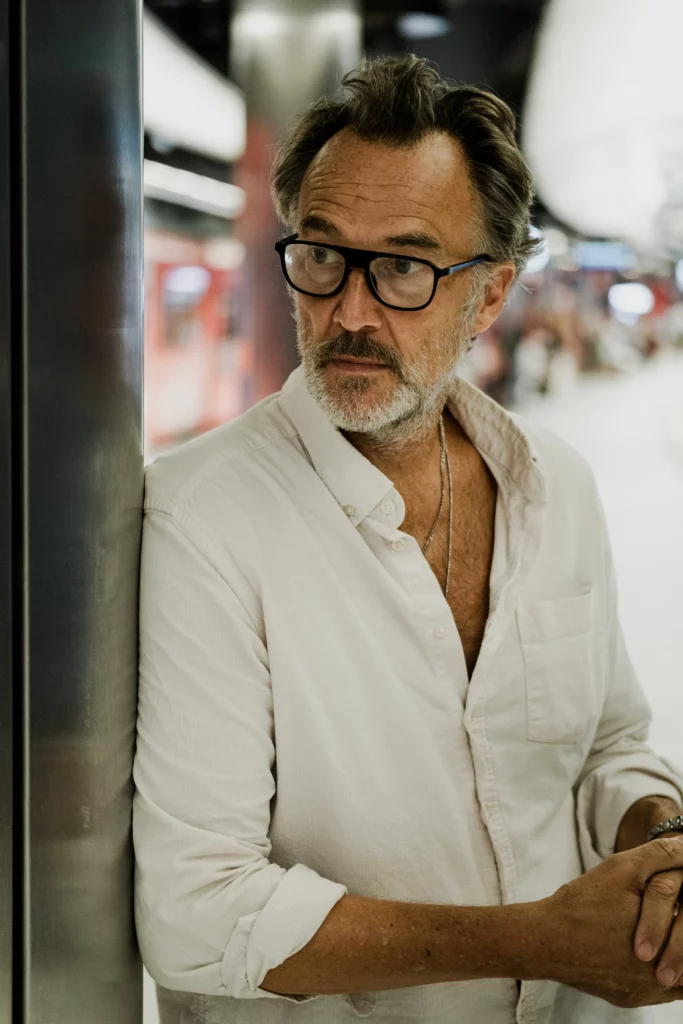
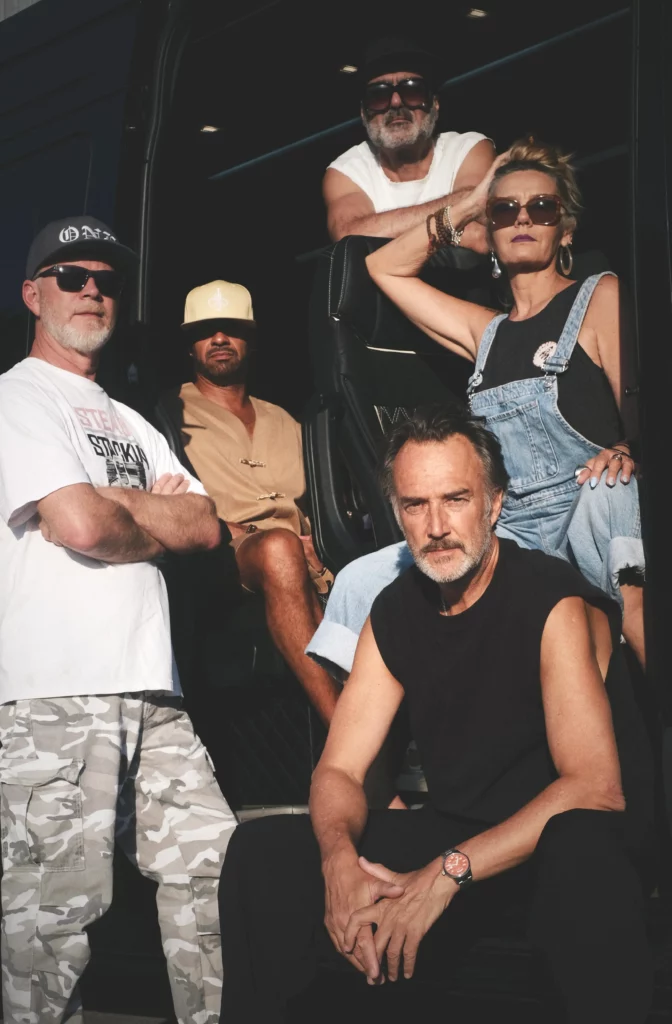
Ist Sens Unik damit zur eigenen Tribute-Band geworden?
Genau das wollen wir vermeiden. Wir haben ungefähr 130 Songs aufgenommen. In einem Konzert können wir vielleicht 14 oder 15 spielen. Natürlich gehören bekannte Stücke dazu, aber auch politische, soziale oder experimentellere Songs, die nie Radiohits waren. Und wir haben zwei neue Stücke aufgenommen. Wir versuchen nicht, Hip-Hop neu zu erfinden. Wir spielen einfach unsere Musik.
Has Sens Unik become its own tribute band?
That’s exactly what we want to avoid. We recorded around 130 songs. At a concert we can perhaps play 14 or 15 of them. Of course the familiar tracks have to be there, but we also play political, social and more experimental songs that were never radio hits. And we’ve recorded two new tracks. We’re not trying to reinvent hip-hop. We’re simply playing our music.
Du meinst, viele Texte hätten nichts von ihrer Aktualität verloren?
Leider. Manche gesellschaftlichen und politischen Texte funktionieren heute genauso wie in den 1990er-Jahren. Das ist nicht unbedingt ein Kompliment an unsere Zeit.
You mean many of the lyrics haven’t lost their relevance?
Unfortunately not. Some of the social and political lyrics work just as well today as they did in the 1990s. That isn’t necessarily a compliment to our times.
Ist Altstetten/Zürich nun wirklich deine Heimat?
Im Moment ja. Für immer? Keine Ahnung. Zürich ist eine sehr gute Basis. Und kreatives Unterwegssein gehört wahrscheinlich ohnehin zu mir.
So is Altstetten – and Zurich – really home now?
For the moment, yes. Forever? No idea. Zurich is a very good base. And being creatively on the move is probably part of who I am anyway.